
"Nagasaki Dejima"
100 article(s) found

Ethiopian coffee is mainly produced in the plateau above 2000 meters above sea level.
Ethiopian coffee is mostly produced in the plateau above 2000 meters above sea level, and the major producing areas are: Djimma; Gunby; Yirgachefe; Sidamo; Harald; Harar; and Harald coffee grows from Daroleb (Darolebu). The plain is 900 meters above sea level to the Sheikh Sheikh (C) in the highlands of eastern Ethiopia.
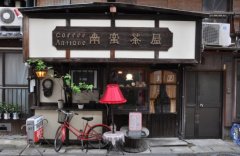
Japanese coffee culture
The first coffee spread to Japan was Nagasaki in the Yuanlu period. And people officially accepted it from the Meiji era.

Japanese coffee culture
The first coffee spread to Japan was Nagasaki in the Yuanlu period. And people officially accepted it from the Meiji era. Now let's take a look at the coffee history of Japan.
Talk about Japanese coffee culture
The first coffee spread to Japan was Nagasaki in the Yuanlu period. And people officially accepted it from the Meiji era. Now let's take a look at the coffee history of Japan.

Coffee Culture-Coffee Culture in Japan
The first coffee spread to Japan was Nagasaki in the Yuanlu period. And people officially accepted it from the Meiji era. Now let's take a look at the coffee history of Japan.
World Coffee Culture Coffee Culture in Japan
At first, the Japanese were not used to the successive opening of coffee houses in Western Europe, when the literature and art of coffee culture were in bloom, while Japan was in the midst of the strict policy of locking up countries in the Edo era. Coffee, the first drink at that time, was set up at the Dutch store off the island of Nagasaki (1641) and presumed to have been brought in at that time. However, I can connect with foreigners.

Learn about the origins of coffee in Japan
We always look at the origins of coffee in the world. For the first crab eater, we always thought he was great and showed people a special flavor. But we also want to know how coffee has evolved in different countries. Let's talk about the origins of coffee in Japan. Coffee was first introduced to Japan during the Genroku period.

How do you make Ethiopian coffee? Ethiopian coffee varieties
Following Cafe's (official Wechat account vdailycom) found that the way for Beautiful Cafe to open a small shop of Ethiopian Coffee is to first put boiling hot water in the lower glass ball, depending on the size of the coffee cup used. It takes about 140~150c.c for an average cup of coffee. After that, fix the upper pot with the filter cloth on the base and pour it into the grind.

Vietnam 90 + Honey Kiss Flavor description of Coffee beans; introduction to the taste characteristics of the manor
Vietnam 90 + Honey Kiss Flavor Coffee beans describe the taste characteristics of the manor in 2009, this coffee was named after Nectar from Shakisso, meaning it has the same flavor as nectar from Ethiopia. Nekisse is characterized by a creamy, smooth taste and a strong berry sauce, and some batches even have a blend of chamomile and a variety of tropical fruits.

Description of coffee flavor in Erida Manor, introduction to the price of varieties and characteristics of grinding degree
Ethiopia, known as the birthplace of coffee, has a history of coffee origin and traditional agricultural farming techniques. It is said that the English word coffee also comes from the place name kaffa in Ethiopia. Legend has it that around 900 AD, when a shepherd in the Cafa region of Ethiopia was grazing in the mountains, he found sheep competing for a kind of red berry.

Which coffee brand is better in Ethiopia? the characteristics and flavor of Ethiopian coffee beans.
Professional coffee knowledge exchange more coffee bean information please follow the coffee workshop (Wechat official account cafe_style) the front street of Ethiopian coffee brand-Yega Xuefei Coffee introduces the growing environment of Ethiopian coffee Ethiopia has unique natural conditions, suitable for growing all imaginable coffee varieties. Ethiopian coffee beans as upland crop owners

Go to Japan for coffee Japanese coffee culture
All over the world, it is probably only in Japan that you can easily drink a cup of authentic Blue Mountain coffee. The reason is simple, because more than 90% of the world's Blue Mountain coffee is exported to Japan. The Japanese love of coffee is not born this way. At first, like all East Asians, they were not used to the taste of coffee. The Japanese who live in peace learn from the Chinese and drink a lot of light and gentle drinks.

More than 90% of the world's Blue Mountain Coffee Japanese Japanese coffee shops
The reason is simple, because more than 90% of the world's Blue Mountain coffee is exported to Japan. The Japanese love of coffee is not born this way. At first, like all East Asians, they were not used to the taste of coffee. The Japanese who live in peace learn from the Chinese and drink a lot of light and meaningful green tea. In order to make the soup made from green tea more transparent and green, they put in some stir-fry.

Ethiopian Coffee Flavor description Grinding degree Taste characteristics Fine Coffee Manor introduction
This kind of coffee grows in areas ranging from 1400 to 2000 meters above sea level. After wet processing, this kind of coffee has a rich fragrance, a full fruit with moderate acidity and alkalinity, high quality and attractive spicy flavor. It is estimated that out of 49000 hectares of cultivated area, the average annual production of this coffee is 29000 tons (equivalent to 480000 bags of 60 kg coffee). Dejima (Djimma)

Japanese coffee history, culture and customs the world's first coffee chain, Old S ã o Paulo Cafe
History of coffee in Japan: the time when coffee spread to Japan was presumed to be 1641, that is, during the Yuanlu period in the middle of the Edo period in Japan, it was brought to Japan by the Dutch store on the island of Nagasaki. At that time, Japan implemented a strict policy of locking up the country and most of the people who could come into contact with foreigners were servants (officials), merchant interpreters (translators) and tourist girls (geisha). Until the Japanese period of Zunberu in 1776.
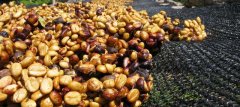
Ethiopian Harar Boutique Coffee
Specialty coffee is also known as specialty coffee. It refers to coffee made from green beans with excellent taste characteristics grown in a few extremely ideal geographical environments. Depending on the particular soil and climatic conditions in which they are grown, they have outstanding flavors. This type of coffee is carefully selected and graded for its hard texture, rich taste and wind.
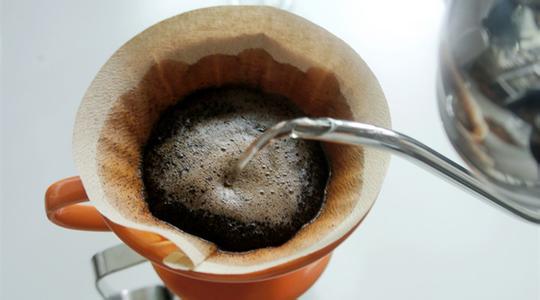
The three keys to being a good barista, how to be a good barista?
When most coffee shop owners hire baristas, the most important thing is not a job seeker who is skilled in brewing coffee. They pay more attention to first impressions, including conversation, appearance and basic knowledge of coffee. After successful entry into the industry, in addition to coffee knowledge and technology, in fact, many beginners ignore the following three points. If you start to improve yourself from the following aspects, the boss is bound to change.
17 Health benefits of Coffee
The secret behind romance: the health-preserving function of coffee in Japan in the Edo era, only doctors who mastered life-saving could taste coffee. At that time, doctors recorded the efficacy of coffee after drinking it. For example, "Nagasaki smelling and seeing record" is one of them. It is recorded in the book that caffeine increases the movement of the spleen, helps digestion, reduces anger, is more diuretic, and relaxes the chest and spleen. Be able to level

Why is roadside coffee in Japan better than coffee in the Chinese market?
Japan turned out to be a big coffee country. At first, the Japanese, like all East Asians, were not used to the taste of coffee. The Japanese live in peace and learn from the Chinese, drinking light and meaningful green tea. The first Dutch priest who landed in Nagasaki took out a can of coffee from his suitcase to entertain the locals. The first person who tried could not help spitting out the liquid in his mouth. Like a cough.

Introduction to the characteristics of Coffee Variety of Coffee Manor in Xidamo Shachiso producing area
Ethiopia is the birthplace of coffee. Ethiopian coffee has the same deep cultural accumulation as Chinese tea. The Sidamo producing area, which is 1400-2200 meters above sea level, is a famous boutique coffee area in southern Ethiopia, bordering Kenya. The washed Sidamo is light green, the beans are small, the growth is oval, the fruit is full, the average quality is good, the smell is aromatic and mellow, one drop.